
Hospital wards represent one of the most complex and critical environments within any healthcare facility. They must support patient recovery, clinical efficiency, regulatory compliance, and infection prevention. Successful ward design therefore requires a highly considered approach, combining specialist knowledge of healthcare workflows with robust, fit-for-purpose infrastructure that stands up to demanding clinical use.
Creating high-performing ward spaces relies on the seamless integration of three core elements:
- patient care areas
- clinical storage and support facilities
- nurse workstations.
Patient Spaces: Promoting Healing, Privacy, and Safety
The heart of any ward lies in its patient areas, which must be crafted to encourage both effective clinical functionality and patient well-being.
Effective patient area design prioritises clear access to essential services such as medical gases, power, and nurse call systems, ensuring clinicians can deliver care efficiently and safely. Robust, hygienic materials that withstand frequent cleaning and heavy daily use are vital in maintaining long-term performance and compliance with healthcare standards. There’s a growing trend towards single-patient rooms, which effectively curb infection rates, uphold confidentiality, and foster better rest and recovery for patients.
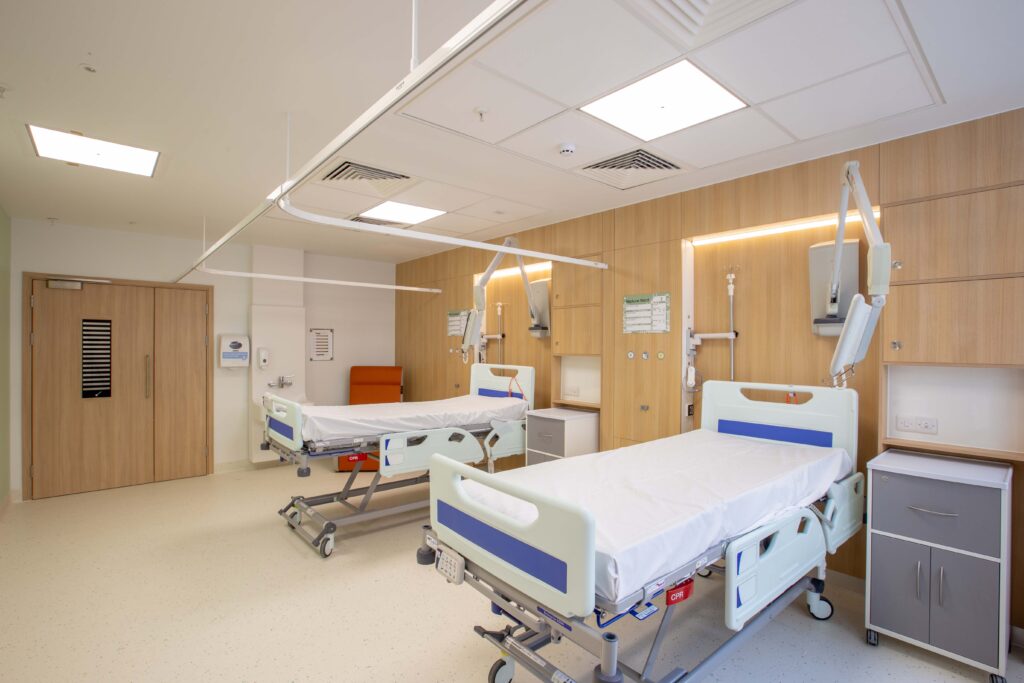
Visibility is another crucial consideration. Staff must be able to monitor patients effectively without compromising dignity or privacy in accordance with Care Quality Commission Fundamental Standards. Layouts that support unobstructed observation, combined with carefully planned room configurations, allow clinical teams to respond quickly while supporting a patient-centred experience.
Accessibility is vital as well. Patient areas should be designed to support a spectrum of mobility needs and clinical requirements, providing ample space for staff and equipment movement, accessible facilities, and convenient storage of medical supplies. Flexible, durable infrastructure ensures facilities remain operationally effective while reducing long-term maintenance and refurbishment requirements.
Clinical Storage and Utility Areas: Boosting Efficiency and Infection Prevention
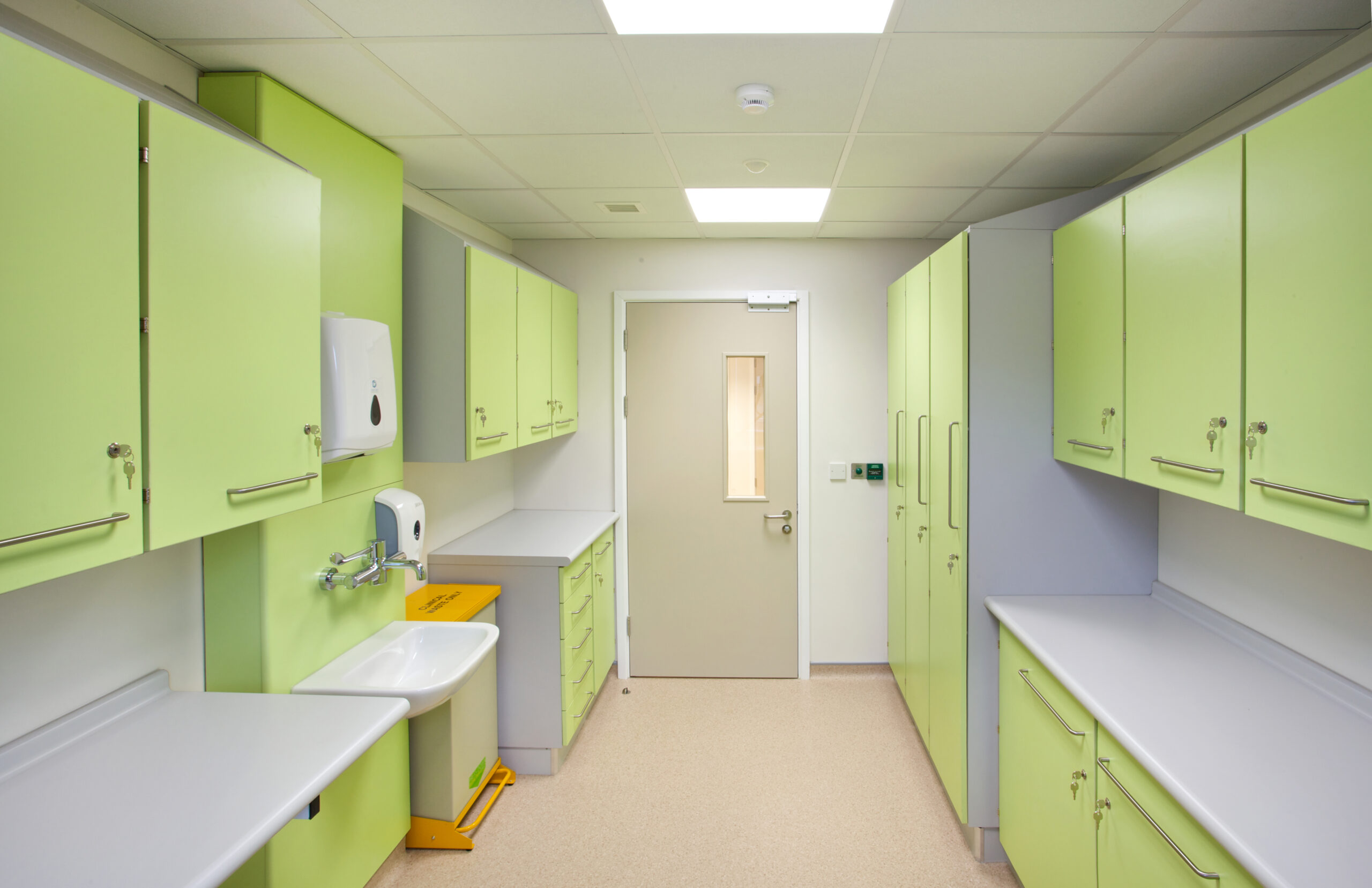
Often underestimated, storage and utility spaces are essential for ward functionality. Poorly planned storage can disrupt workflows, increase response times, and introduce unnecessary contamination risks.
Smart ward storage supports clinical workflows by ensuring that essential supplies are readily accessible yet secured. Well-designed storage ensures essential consumables, medications, and equipment are stored securely, accessed quickly, and managed efficiently. Zoned storage systems help separate clean and contaminated items, supporting infection prevention protocols and maintaining regulatory compliance.
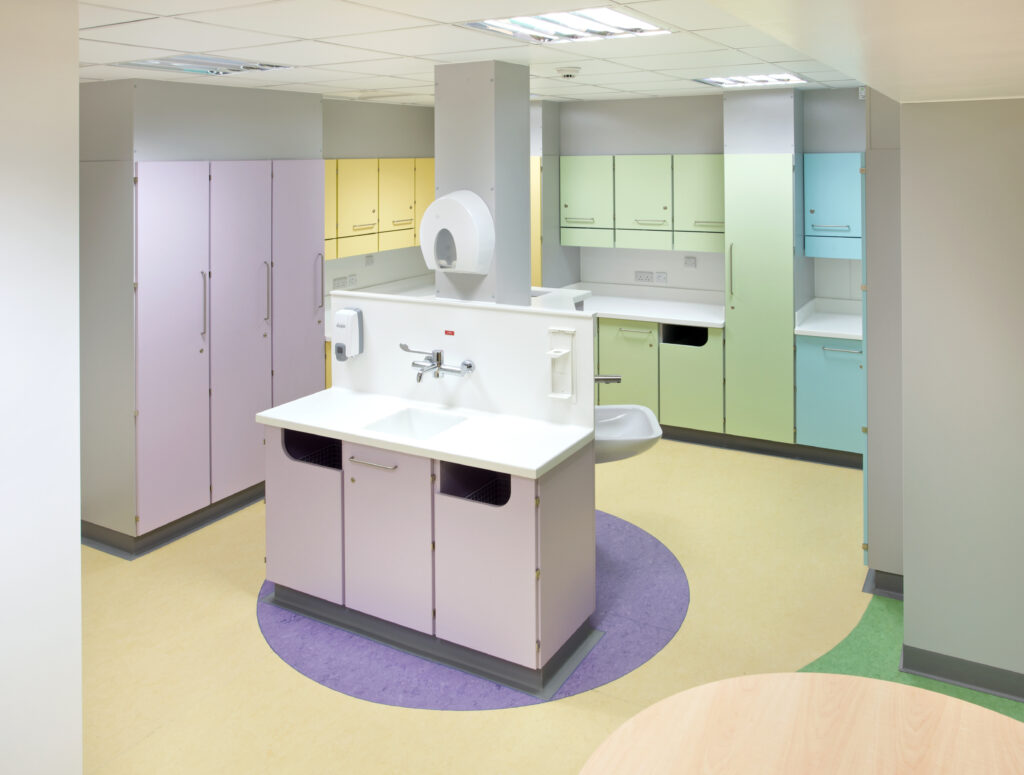
Strategically located storage areas reduce unnecessary staff movement and help streamline daily clinical tasks. Increasingly, wards are adopting point-of-care storage models, ensuring frequently used items are positioned closer to patient treatment areas. This approach improves responsiveness while allowing healthcare professionals to dedicate more time to direct patient care.
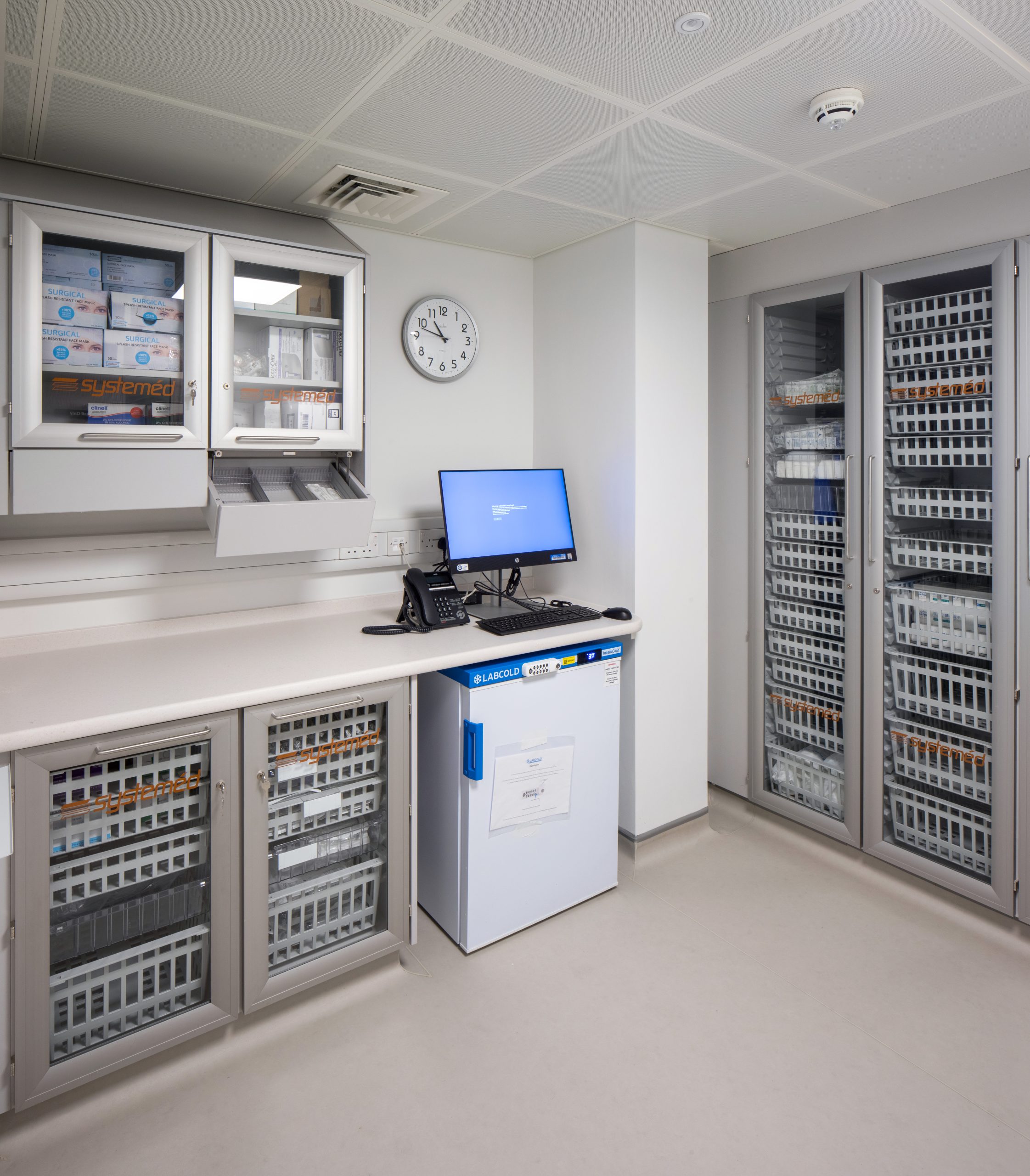
Durability and hygiene remain critical considerations. Storage systems must withstand intensive daily use, support rigorous cleaning regimes, and maintain structural integrity over extended operational lifecycles. Selecting storage solutions designed specifically for healthcare environments ensures reliability, compliance, and long-term value.
Nurse Stations: The Core of Coordination and Care Delivery
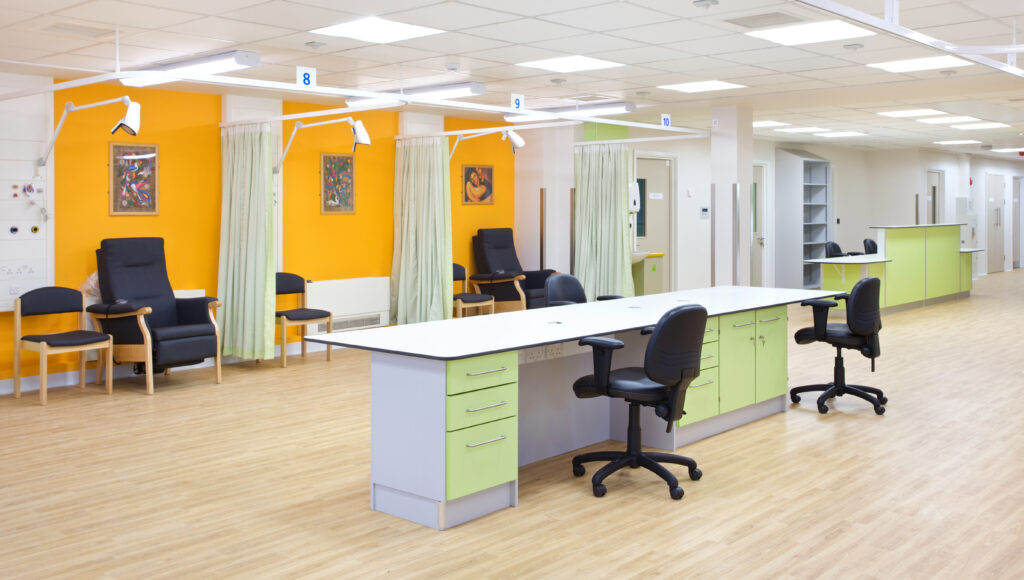
Nurse stations serve as the operational hub of hospital wards, facilitating communication, care coordination, and patient monitoring. Their design increasingly focuses on improving collaboration, digital integration and staff wellbeing, supporting workforce transformation priorities set out in the NHS Long Term Workforce Plan.
Contemporary ward design is increasingly moving towards flexible nurse station models that combine central coordination points with distributed work areas closer to patient beds. This approach improved patient visibility, reduces staff travel distances, and supports faster response times.
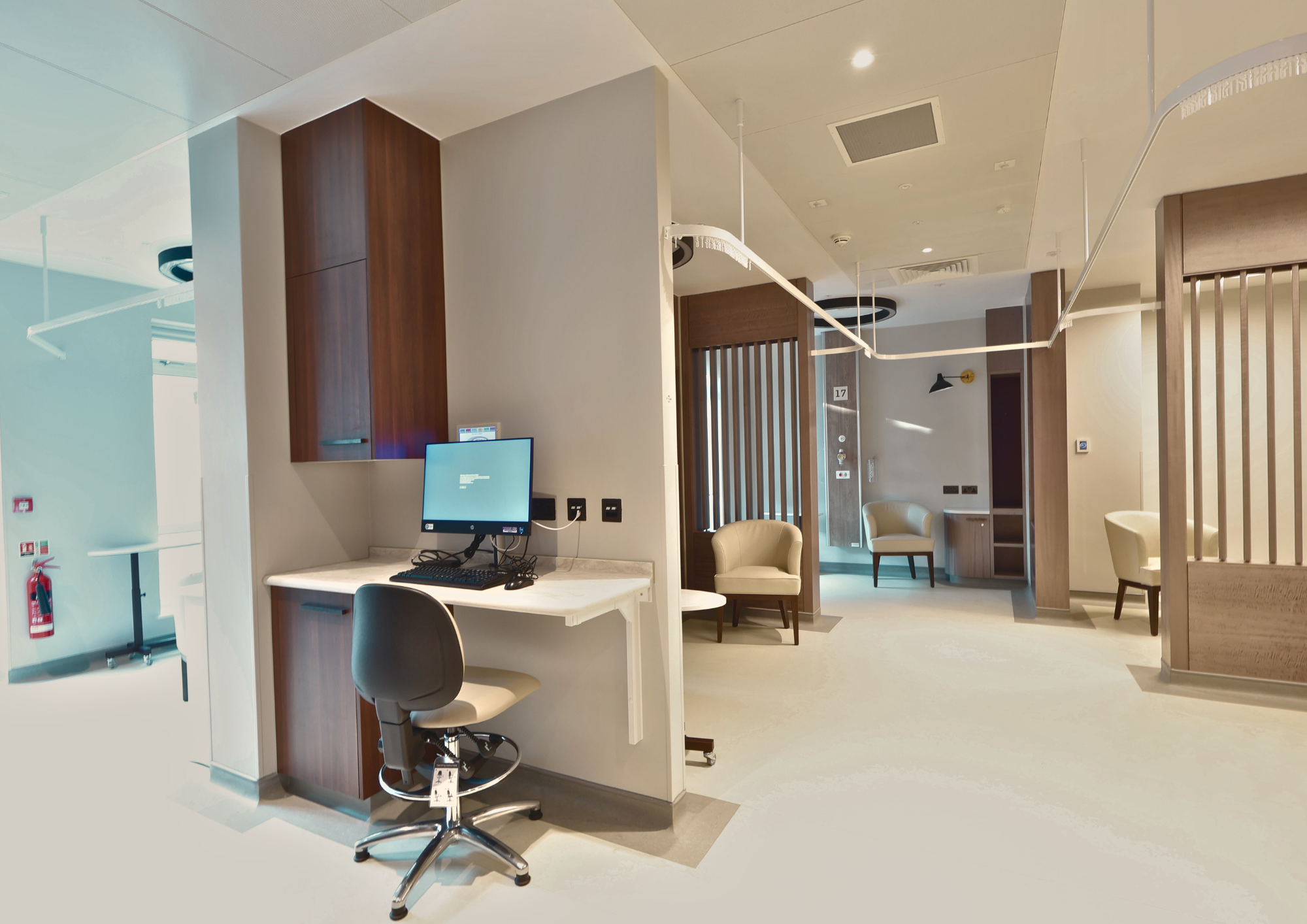
In addition, nurse stations must incorporate secure storage, clear workflow zoning, and durable materials capable of withstanding continuous use. Thoughtfully designed workstations help reduce operational pressures, improve communication across multidisciplinary teams, and enhance overall care delivery.
Building Cohesive and Future-Ready Ward Spaces
Effective hospital ward design hinges on understanding how patient care, staff workflows, and infrastructure performance interconnect. When these components are harmoniously designed, wards can improve operational performance, enrich patient experiences, and empower staff.
With the evolving landscape of healthcare, ward environments must embrace adaptability and longevity. Implementing versatile layouts, scalable infrastructure, and cutting-edge technology is crucial for ensuring that wards remain resilient and ready to support future care approaches. Ultimately, well-crafted hospital wards are more than functional spaces; they are transformative environments that profoundly influence clinical outcomes, patient journeys, and the overall effectiveness of healthcare delivery.
If you are planning a new ward, refurbishment, or reviewing existing clinical spaces, having the right design approach can make a significant difference. Our team can support projects from early concept development through to practical, compliant design solutions tailored to your clinical environment, helping ensure spaces work effectively for both patients and staff.