
Accident & Emergency (A&E) departments are among the most high-pressure areas in hospitals, facing constant demands with quick patient turnover and urgent clinical decisions. In such an environment, effective design is vital for patient safety, staff productivity, and the overall functioning of the department.
A Tough Environment Needs Strong Solutions
A&E spaces endure intense use, requiring rapid stock rotations and frequent equipment handling. Therefore, storage solutions must be sturdy and dependable to handle constant usage. Weak or poorly thought-out storage options can lead to chaos, damage, and delays—outcomes that simply cannot be accepted in an emergency situation.
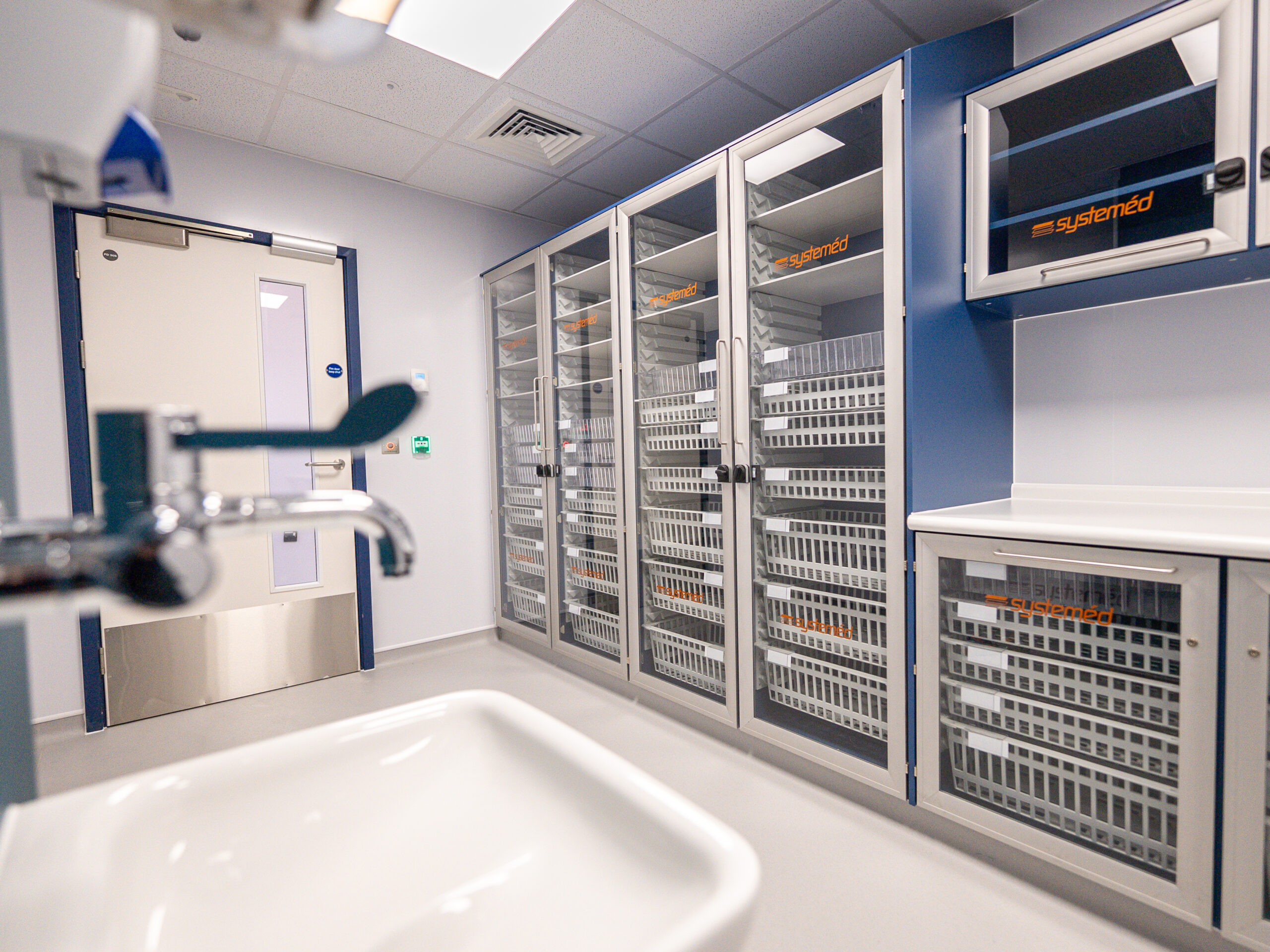
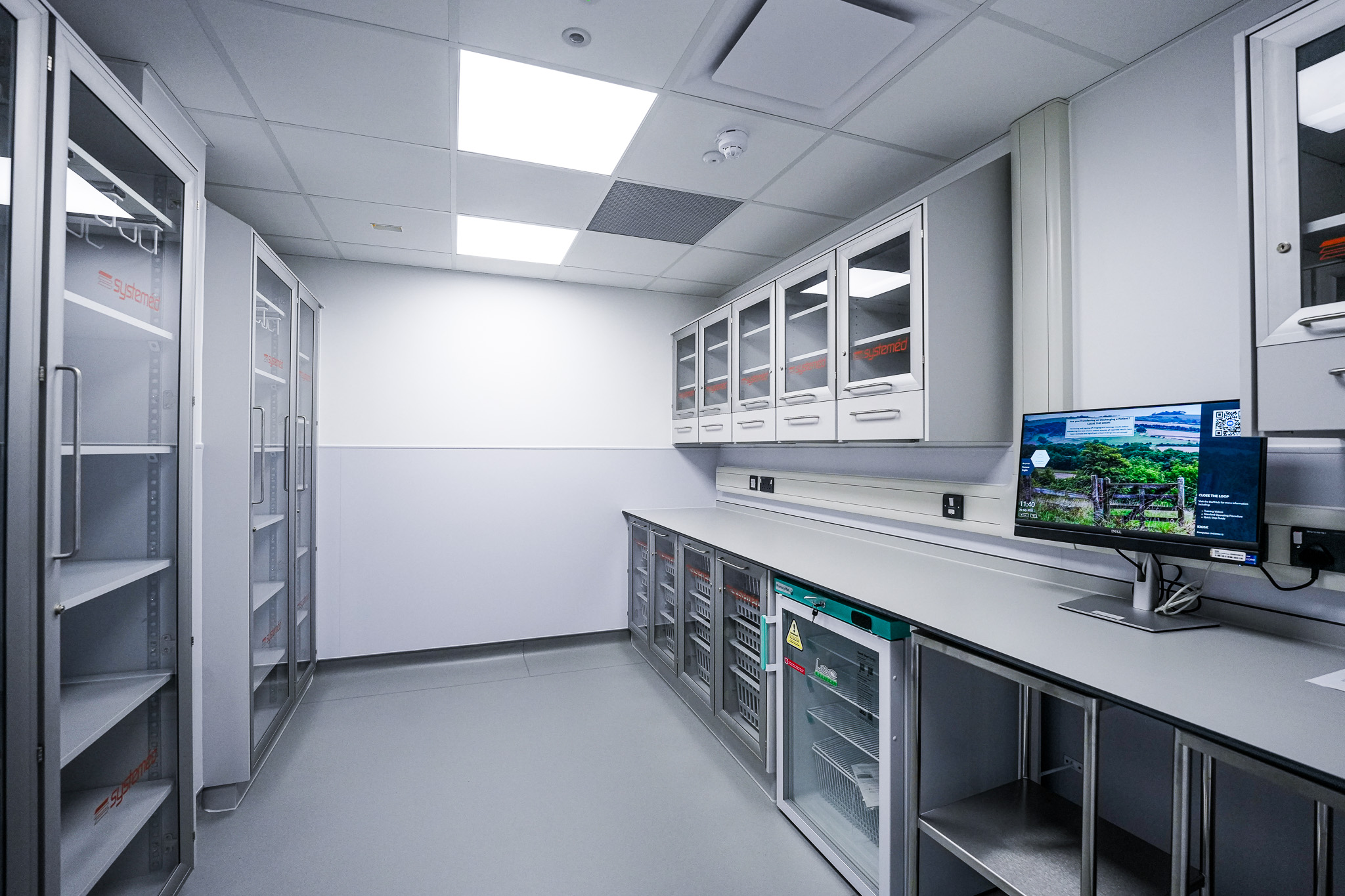
Specialist systems like Systeméd cabinets have been crafted to tackle these challenges head-on. Their robust design guarantees durability, ensuring that departments maintain a well-organised and prepared workspace around the clock.
Speed and Clarity Are Essential
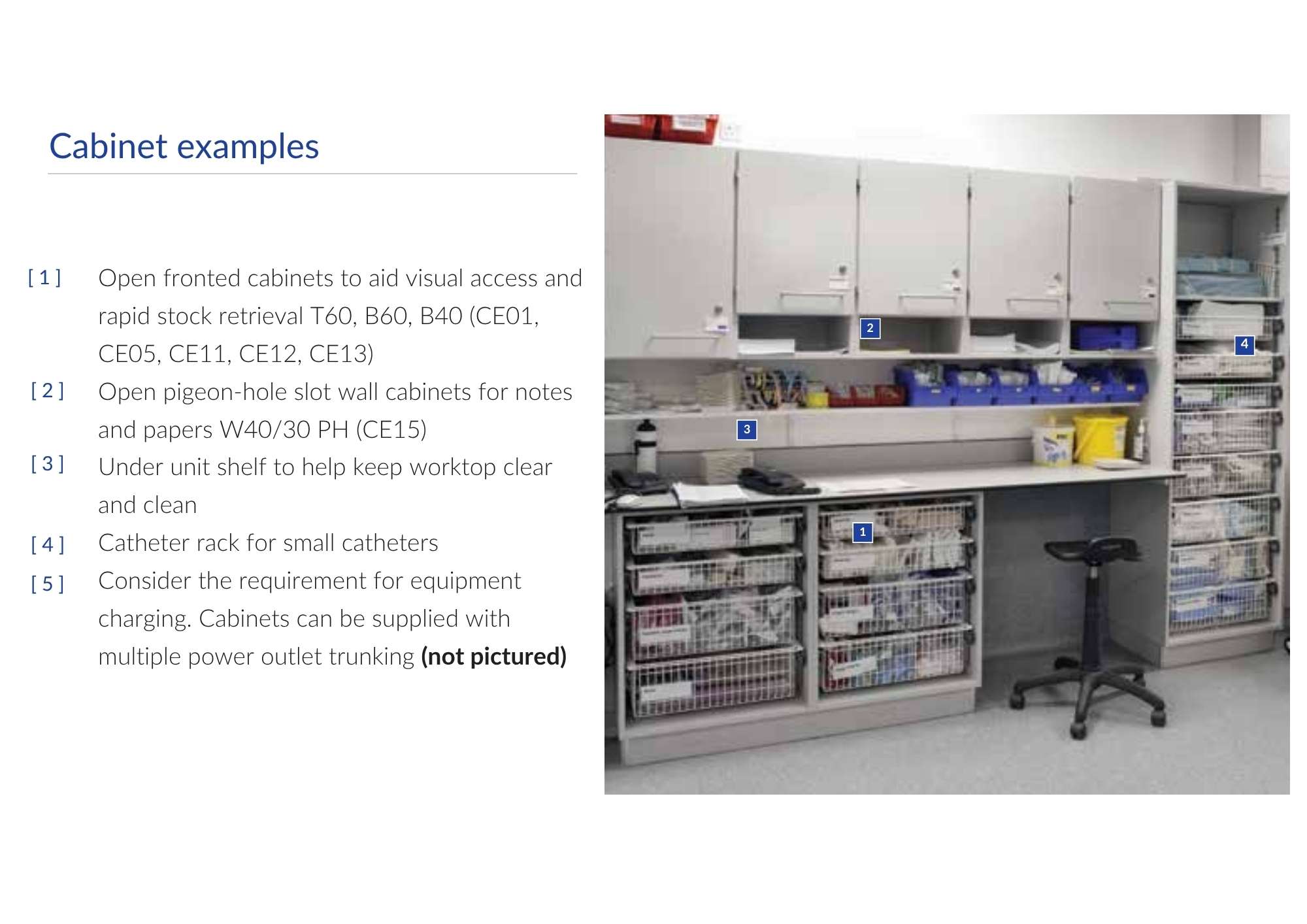
In emergency care, time is crucial. That’s why open-fronted cabinets are commonly preferred in A&E settings. They allow staff to quickly spot and grab what they need, eliminating wasted time sifting opening and shutting solid doors and drawers.
Popular HTM71 sized tall and base cabinet modules such as the T60, B60, and B40 variants allow for multiple accessory options to help with quick stock retrieval, dense storage for maximum use of space and restocking challenges. Clarity around stock holding and components to help with maintaining accurate stock levels can streamline workflow and enhance efficiency.
Keeping Work Areas Clean and Organised
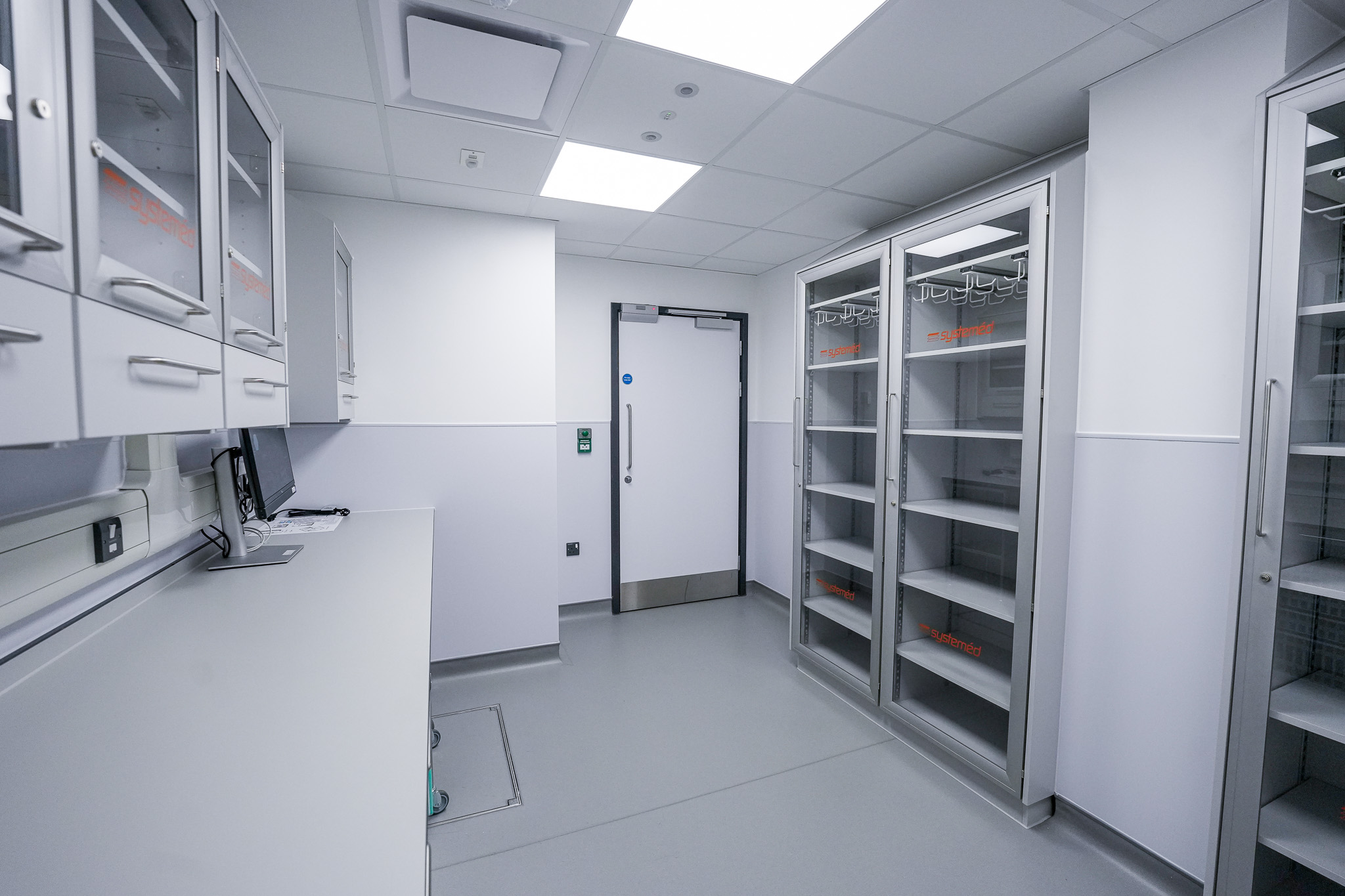
A messy workspace can hinder care and elevate contamination risks. Thoughtfully designed features like under-unit shelves keep work surfaces clear and easy to disinfect, improving infection control and creating a more serene environment for staff under pressure.
Specialty storage solutions, such as racks for small catheters, ensure that frequently used items remain organised, easily accessible, and protected, further enhancing clinical efficiency.
Enhancing Documentation and Team Communication
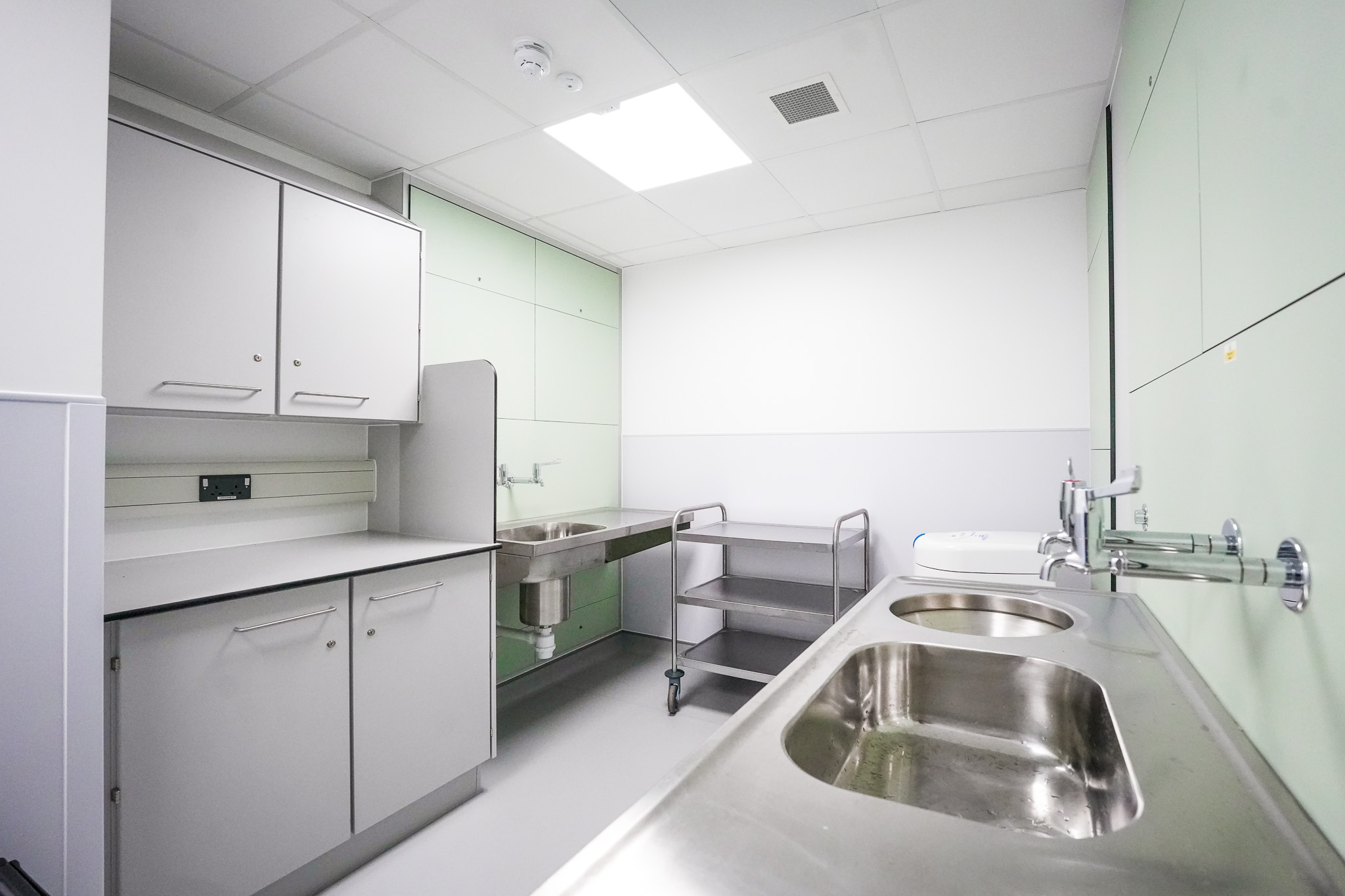
A&E departments produce a significant amount of notes along with digital records. Open pigeon-hole wall cabinets offer a simple way to store documents, helping teams stay organised while preventing clutter on desks. Easy access to paperwork promotes smooth communication and continuity of care, especially during shift transitions or busy periods.
Planning for Current Clinical Demands
Modern A&E design must also embrace technology. Many departments use portable medical devices needing regular charging. Integrated storage solutions with multiple electrical outlets allow safe and efficient equipment charging, eliminating hazards from tangled wires and makeshift charging stations.
Design That Enhances Emergency Efficiency
Ultimately, smart design in A&E departments boosts emergency efficiency. Well-organised storage, clear visibility, durable materials, and strategic layouts work hand in hand to ease stress, eliminate delays, and empower clinical teams to focus on what truly matters: providing swift, safe, and effective patient care.
When design is executed correctly, it acts as a crucial, though often unnoticed, factor in achieving better outcomes for both staff and patients.