
Too often, design choices are made simply based on what can fit within the available space, without fully understanding how the products will actually be used by staff. Bringing product knowledge into the process at the early design stage, helps ensure layouts reflect real clinical workflows rather than being adjusted later to accommodate them.
Early Clinical Space Planning
As we work alongside architects and project teams during the planning phase, product configurations, layouts and specifications can be considered in the context of how the space will actually function. This early collaboration helps ensure that rooms are not only visually well planned but also practical for day-to-day clinical use.
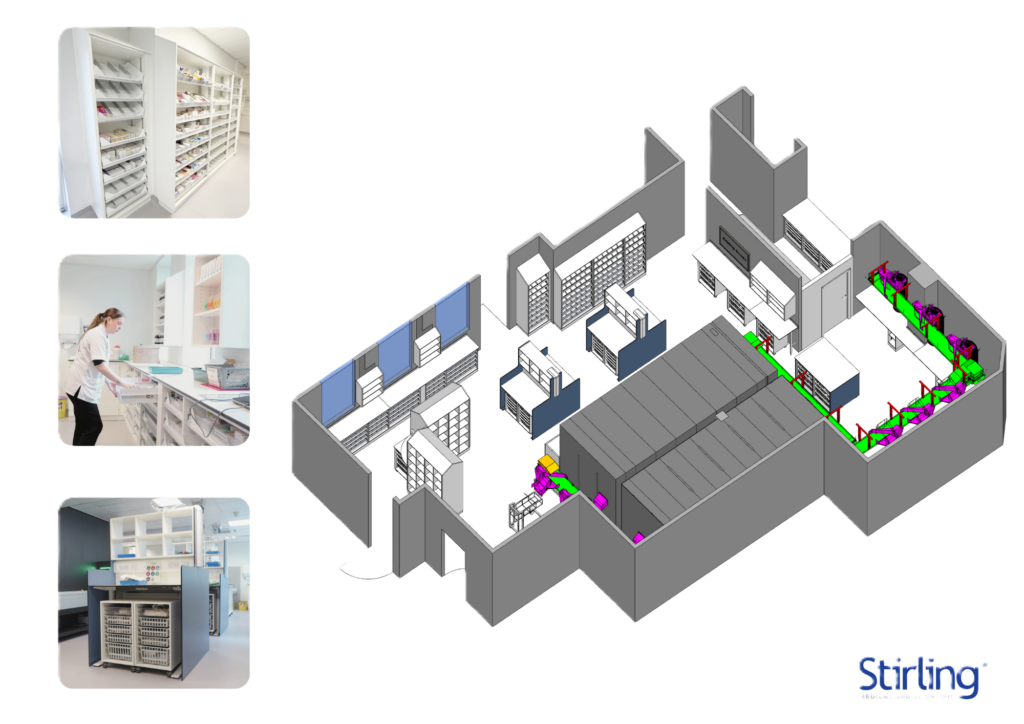
Pressure on space is always at a premium in healthcare environments. Increasing patient numbers, the need for surge capacity during pandemics or localised infection outbreaks, and the growth in treatments and equipment have all intensified the demand to use every millimetre of space as effectively as possible. When products, fittings, and workflows are considered early in the design process, it becomes much easier to:
- maximise every square metre
- support efficient staff workflow
- meet clinical compliance
- reduce changes later in the project
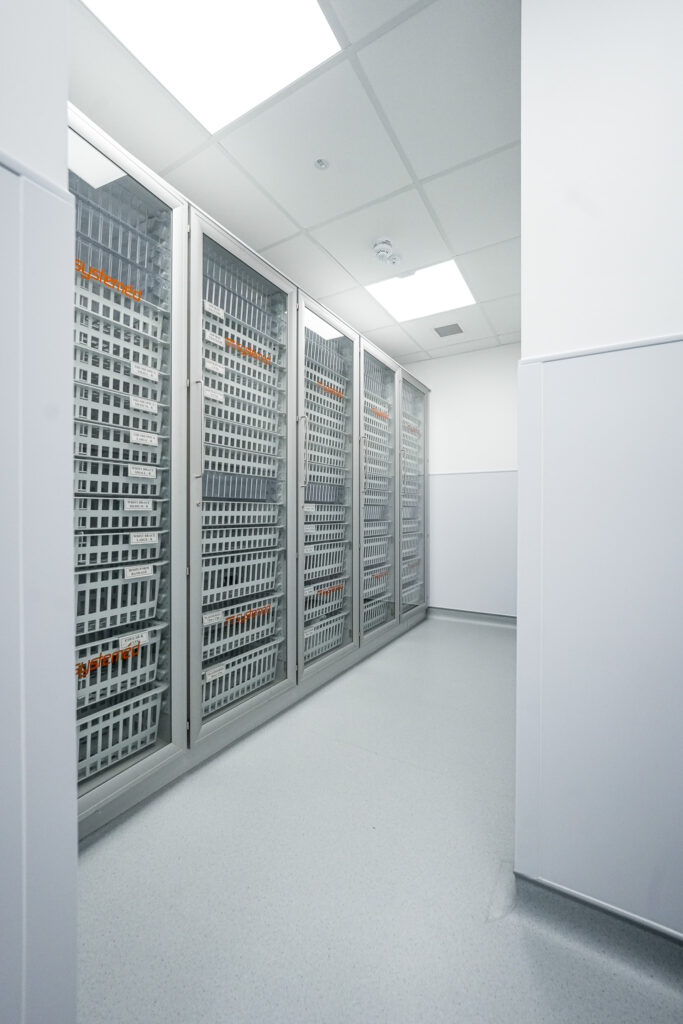
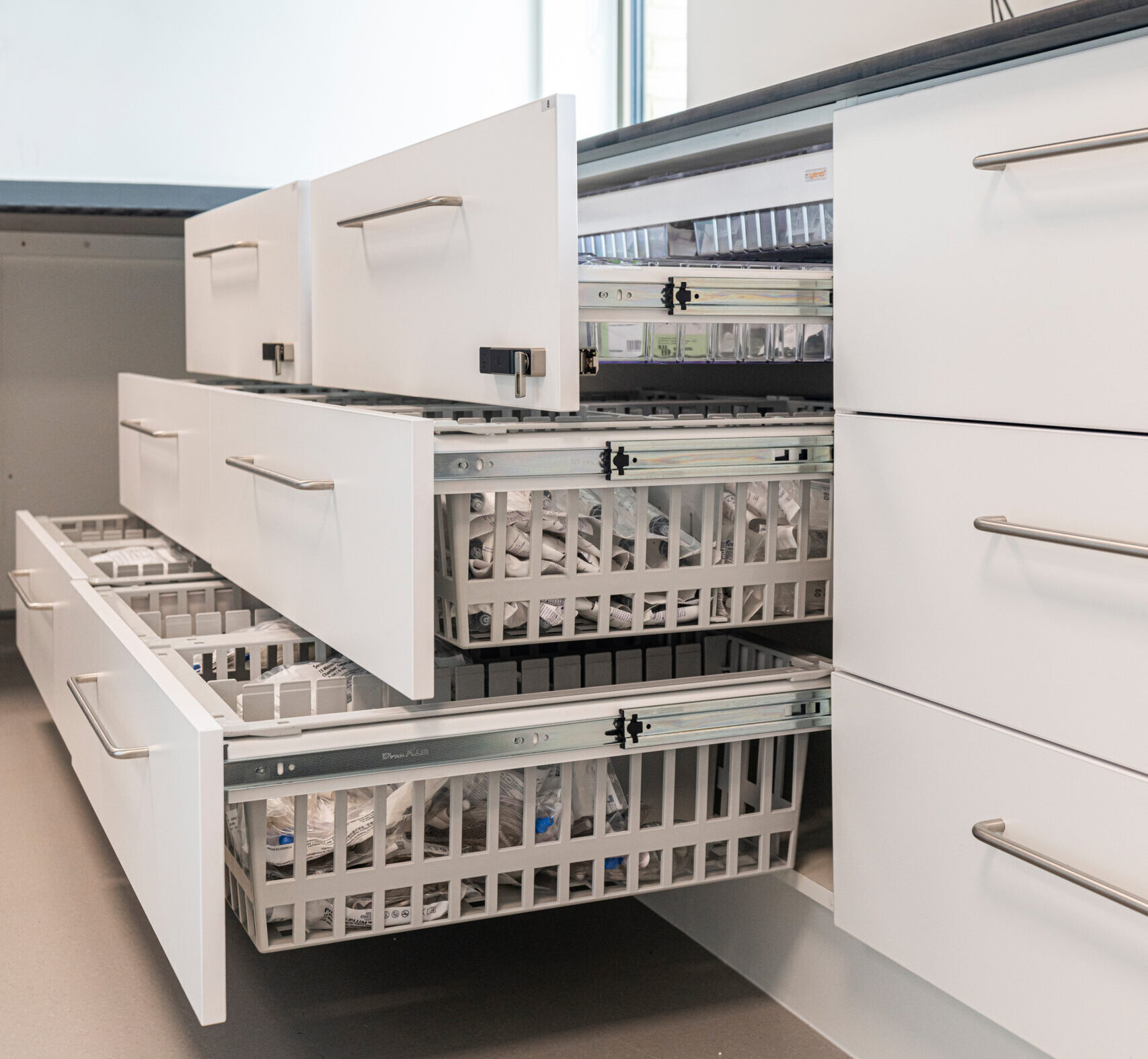
For architects and healthcare planners, this approach can significantly simplify the design process. Rather than sourcing and coordinating individual product dimensions, clearances, and usage requirements in isolation, this information is developed alongside the design from the outset. This reduces the need for extensive detailed drawings and late-stage product coordination, while helping to ensure the completed space functions effectively for both clinical staff and patients.

As a registered NBS Source partner, we understand the importance of streamlining the specification process for architects and other specifiers. By integrating our products directly into the NBS platform, we make it easier to incorporate them into project specifications.
Our most widely used products are readily available on NBS; however, we recognise that every project is unique. Standard solutions may not always be the best fit. Whether the requirement is for innovative materials, sustainable options, or specific design aesthetics, we work closely with project teams to help identify the most appropriate solution for each space.
Project Journey
To support early-stage planning, we often provide a simple concept design to help teams visualise how a space could function in practice.
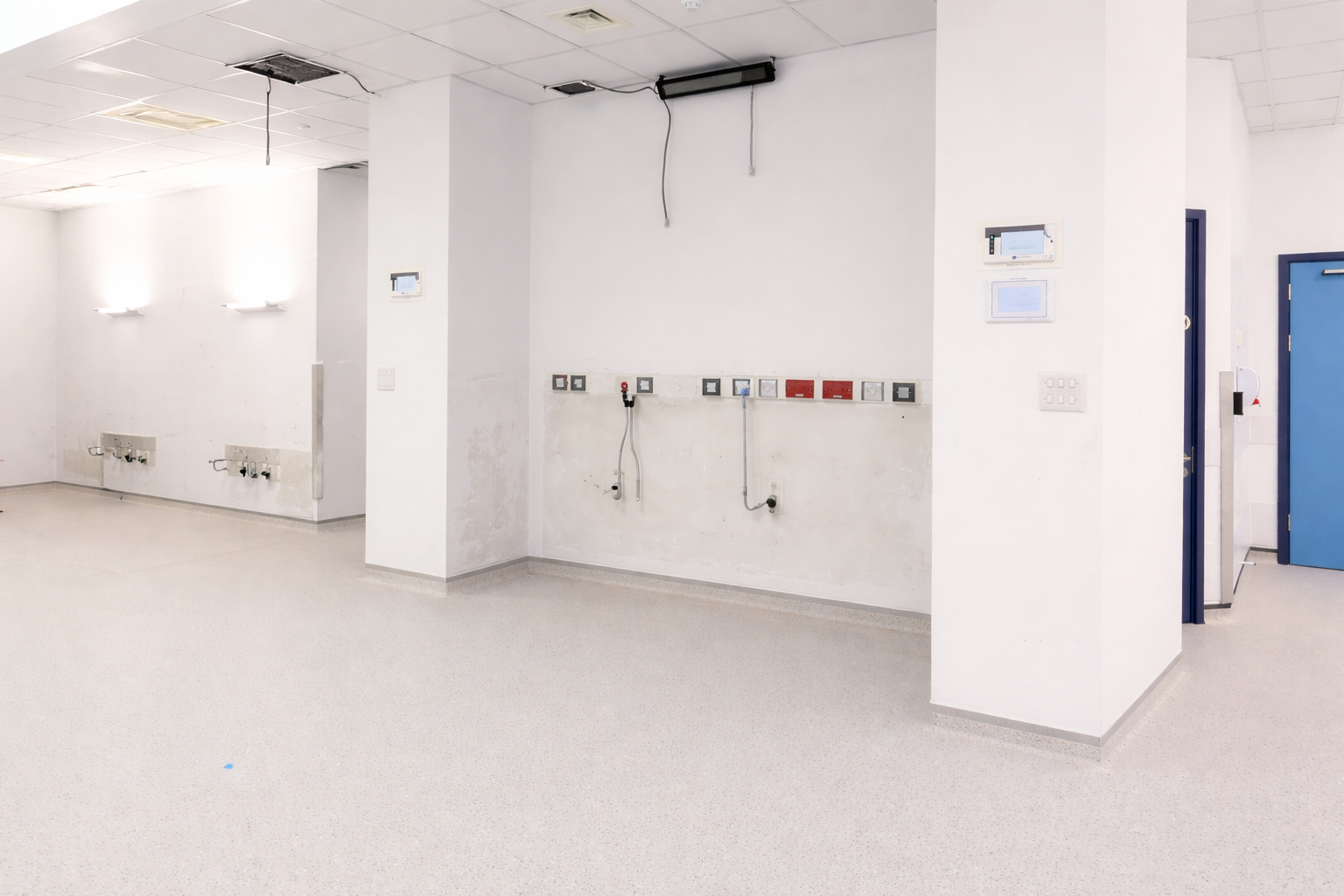
Before: The Starting Point
At this stage, the room is either empty or based on an existing layout, often without a clear understanding of how clinical teams will use it day to day. This provides an opportunity to assess spatial constraints, identify opportunities, and highlight potential workflow challenges early on.
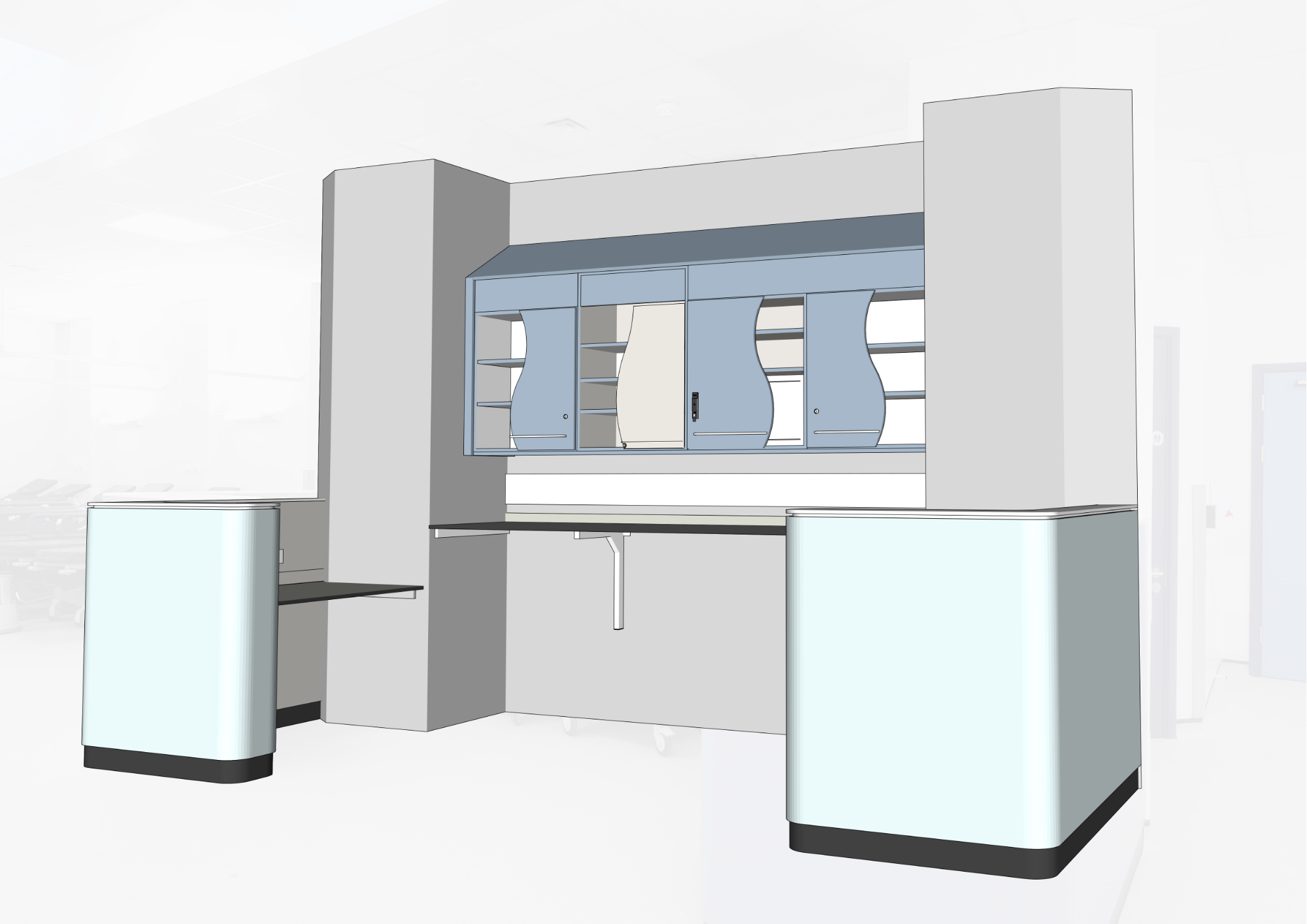
Design: Concept Development
A concept layout is developed that integrates products, fittings, and workflows into the space. This helps architects and clinicians visualise how the environment will function, ensuring that key considerations such as accessibility, workflow, and compliance are prioritised from the outset.
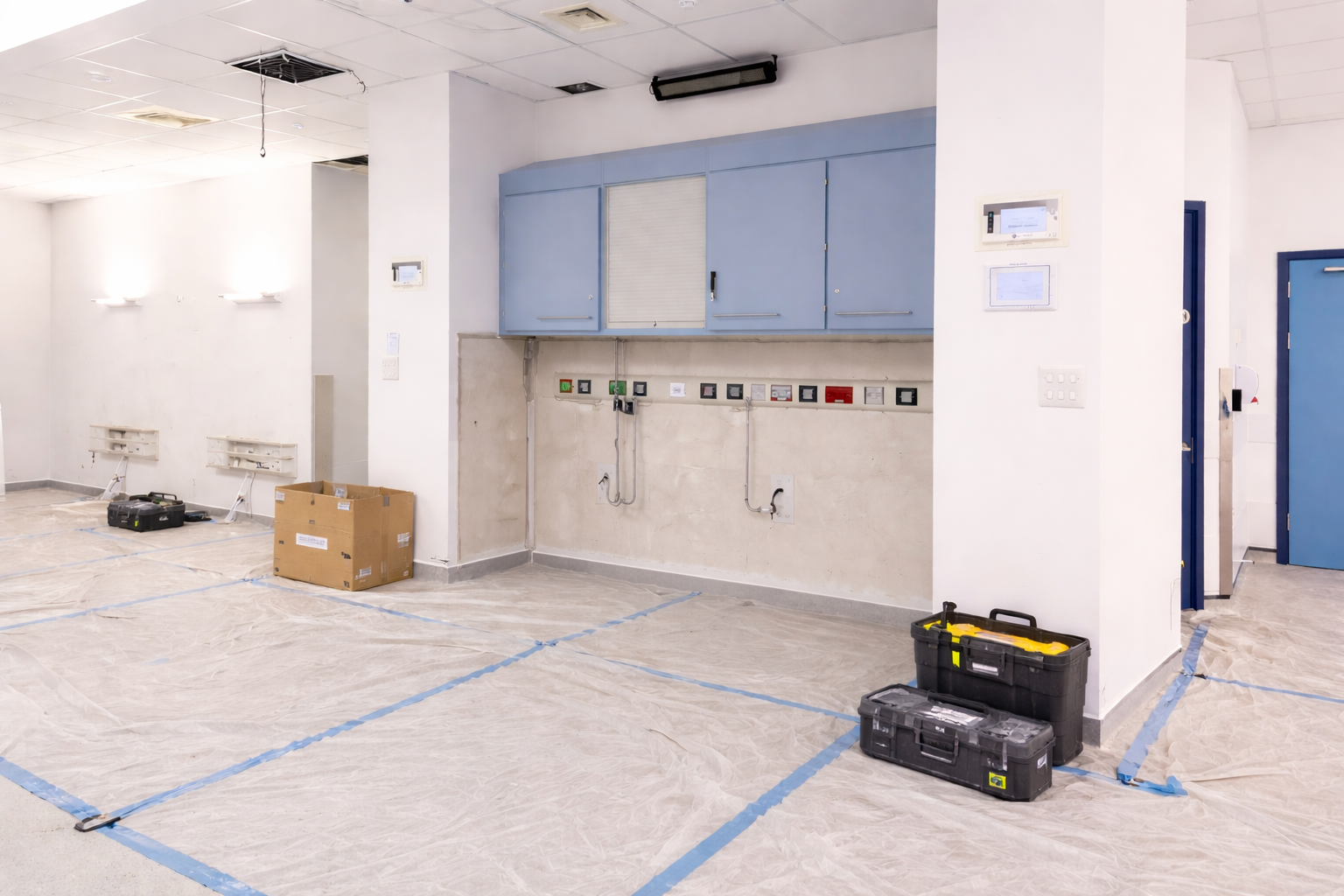
During: Installation and Integration
As the project progresses, products and fittings are installed in line with the agreed design. Because key decisions were made early, this stage is typically more streamlined, with fewer adjustments required on site and better alignment between design intent and delivery.
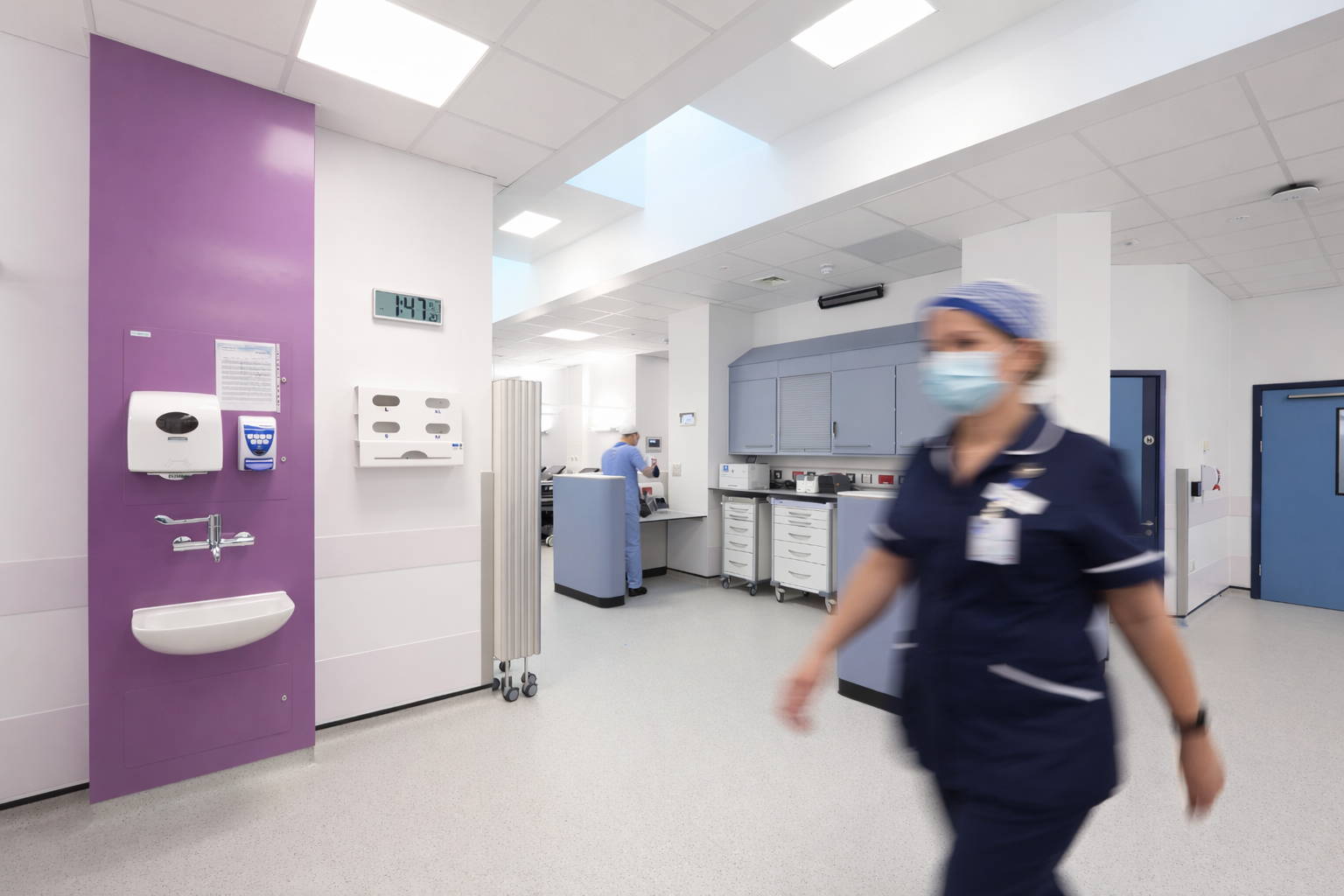
After: The completed clinical space in use
The finished environment is fully operational, supporting efficient workflows and meeting clinical requirements. Layouts and product placement are designed to enhance usability, safety, and overall performance, enabling staff to work effectively and patients to receive care in a well-considered setting.
By investing time in the early stages of design and fostering close collaboration, project teams can deliver spaces that truly support clinical needs and improve overall functionality. Ultimately, the goal is to create healthcare environments that not only serve a purpose, but actively enhance the quality of care—supporting both the teams who deliver it and the patients who rely on it.
If you’re planning a project and would find it helpful, we would be pleased to develop a concept design to explore how your space could work in practice. Contact our team