
Thoughtful Design in A&E Departments
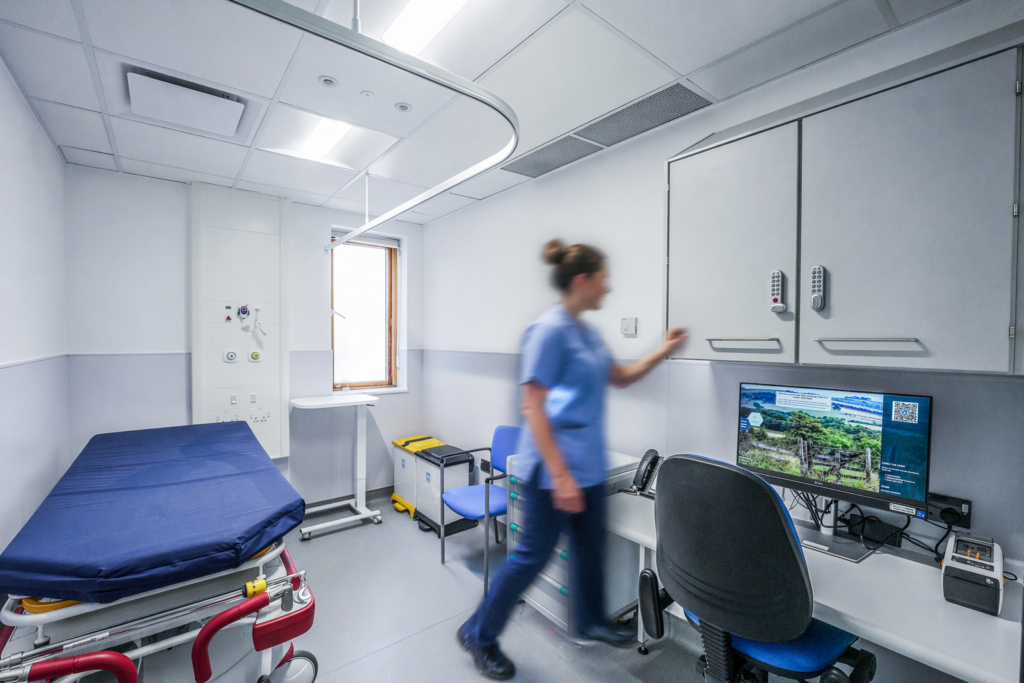
Accident & Emergency (A&E) departments are among the most high-pressure areas in hospitals, facing constant demands with quick patient turnover and urgent clinical decisions. In such an environment, effective design is vital for patient safety, staff productivity, and the overall functioning of the department.
Why Design Should Start With How the Space Will Be Used
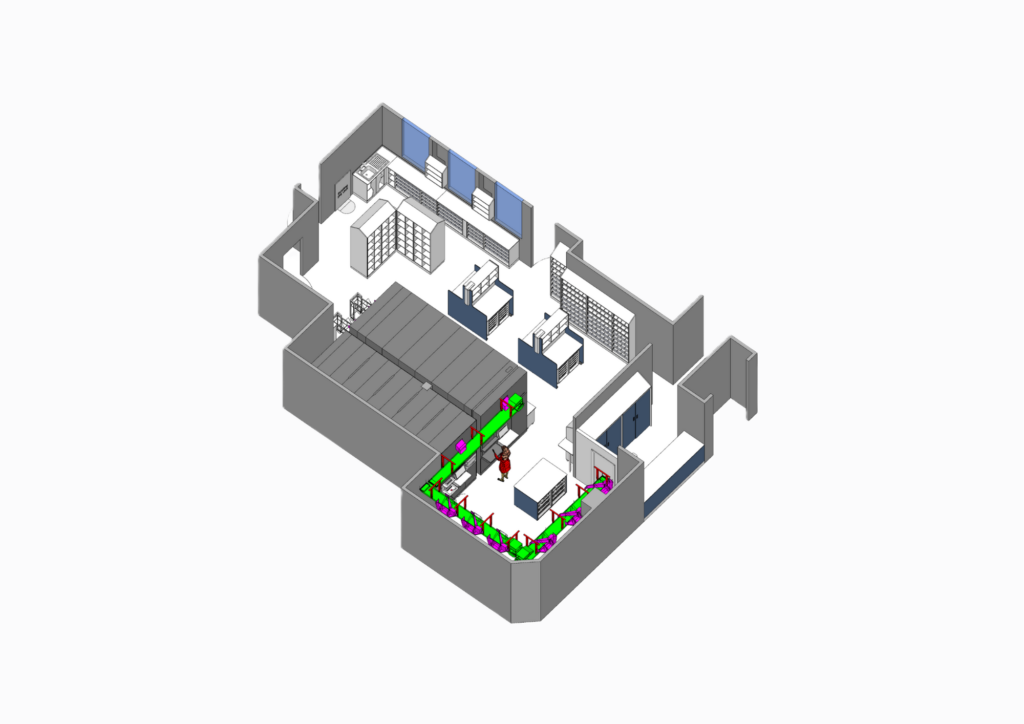
Too often, design choices are made simply based on what can fit within the available space, without fully understanding how the products will actually be used by staff. Bringing product knowledge into the process at the early design stage, helps ensure layouts reflect real clinical workflows rather than being adjusted later to accommodate them.
Designing Wards for Flow, Flexibility and Feeling
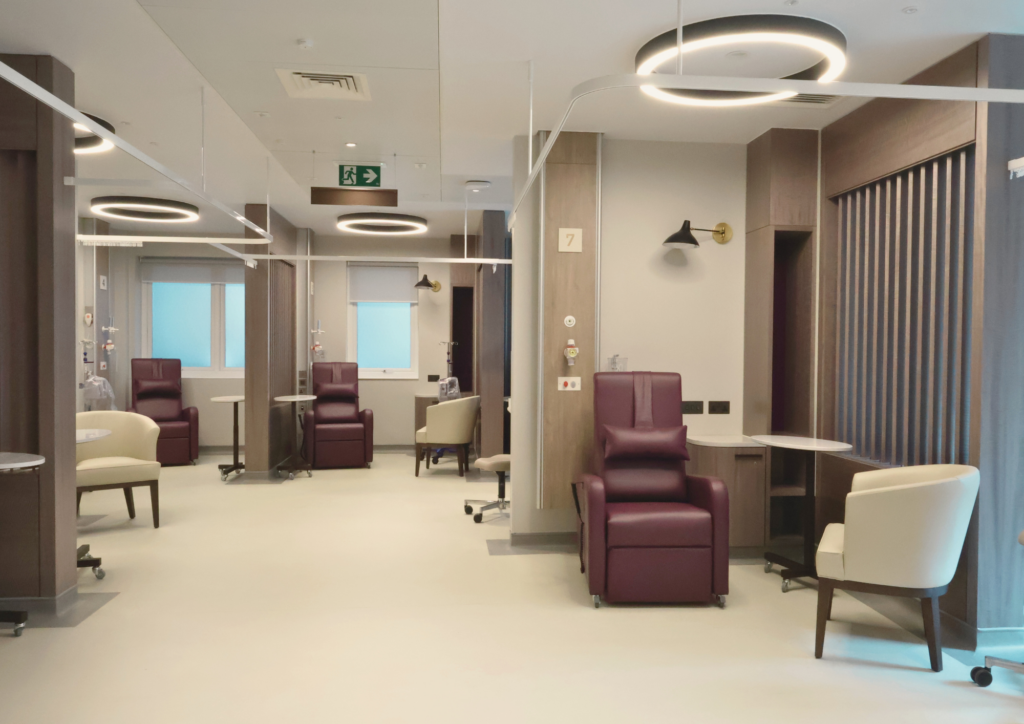
Hospital wards represent one of the most complex and critical environments within any healthcare facility. They must support patient recovery, clinical efficiency, regulatory compliance, and infection prevention. Successful ward design therefore requires a highly considered approach, combining specialist knowledge of healthcare workflows with robust, fit-for-purpose infrastructure that stands up to demanding clinical use.
HTM-Aligned Sink Base Units
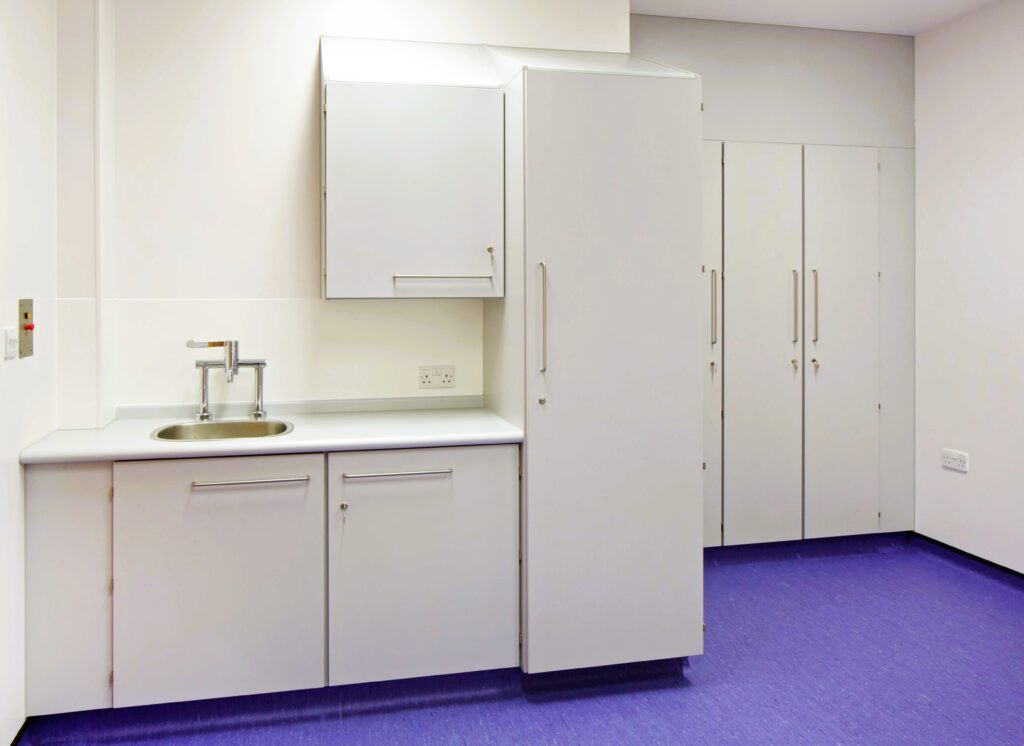
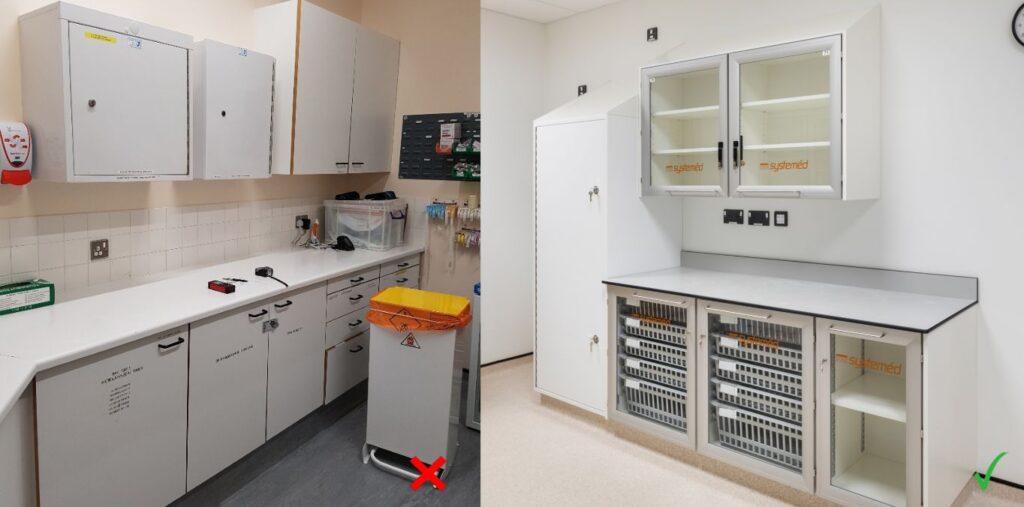
Health Technical Memoranda (HTM) and Health Building Notes (HBN) place strong emphasis on infection prevention and control, particularly in relation to the segregation of clean clinical storage from potential sources of contamination.
Optimising Theatre Stores with the Right Shelving Systems
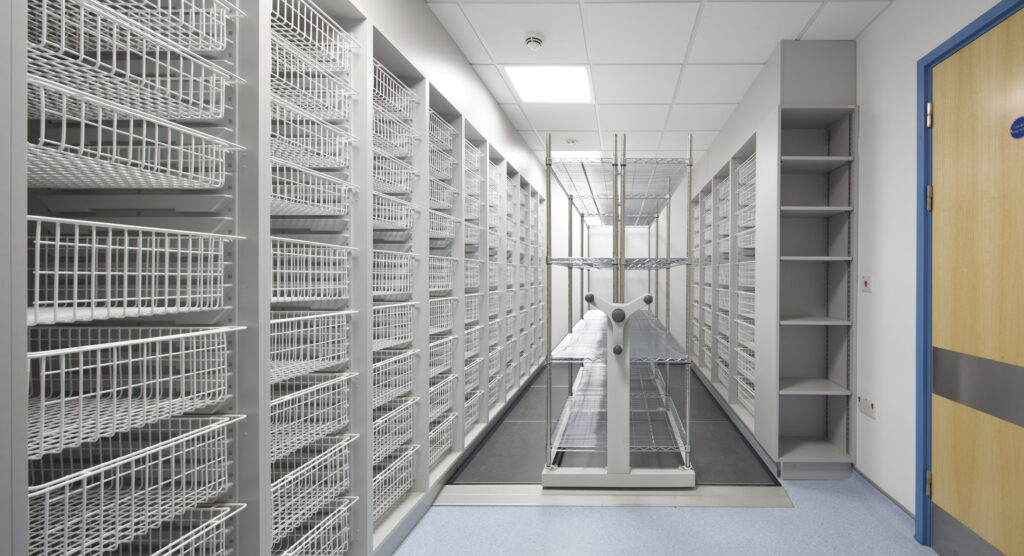
A well-designed Theatre Store plays a critical role in efficiency, cost control, and patient safety. When stock is correctly organised and rotated, hospitals can reduce waste, free up space, and avoid issues such as expired products – a recent audit even found items more than five years past their use-by date.
Looking Ahead in 2026
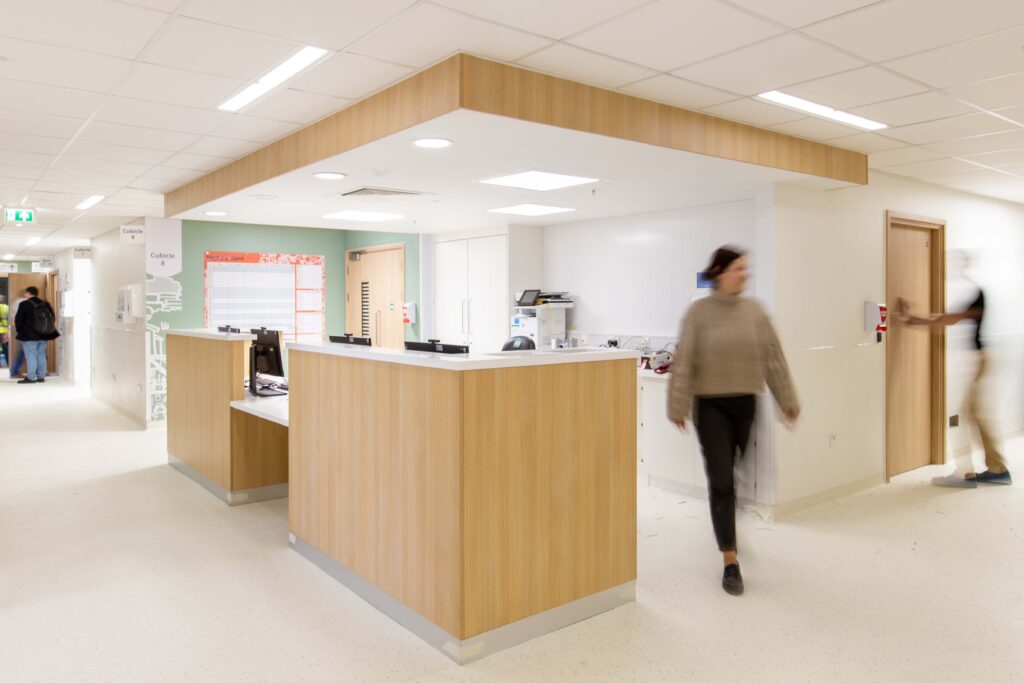
Now that 2025 is behind us, pressure on public expenditure has never been more visible. With healthcare accounting for one of the largest and fastest-growing portions of government spending, scrutiny over how every pound is used is intensifying. Across the system, we’re being asked to do more with less — and to do it better.
The Hidden Costs of ‘Everyday’ Storage in Clinical Settings
‘There’s always someone who says, ‘why can’t you buy the desks from Argos? We’ve always hung ourselves out on the basis of a quality product is always better value for money – hence sticking with you and all that your team do. Your products, your install and your aftercare are exemplary… and its apparent to others too.’
Creating Efficient Working Environments
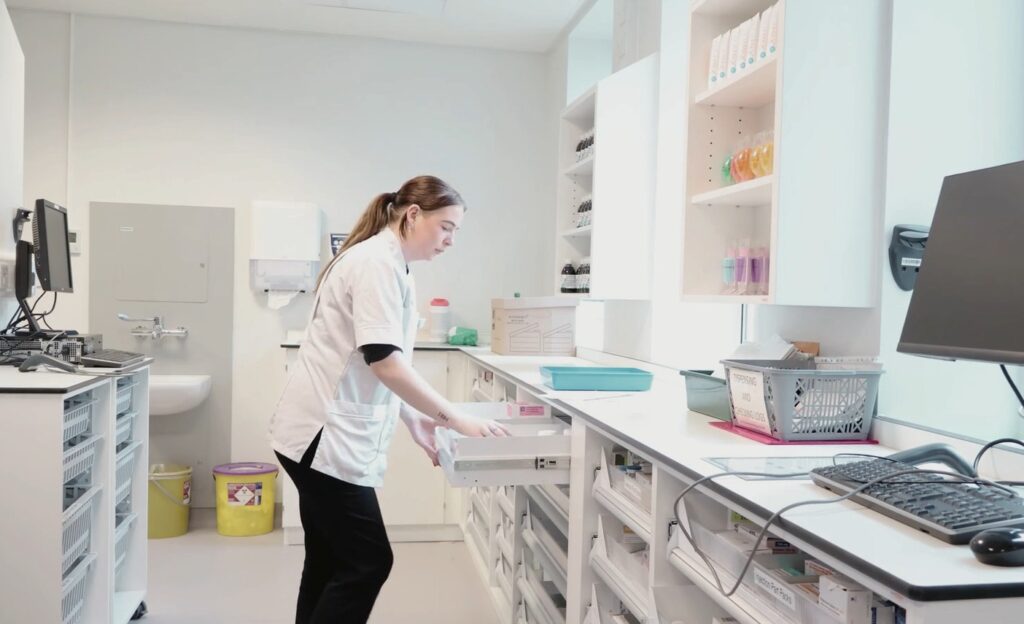
A well-organised clinical environment can transform the way healthcare teams work. When storage is tidy, clearly labelled, and built around the real needs of staff, everyday tasks become easier, faster, and far less stressful.
Efficiencies Automation Can Bring to The Pharmacy
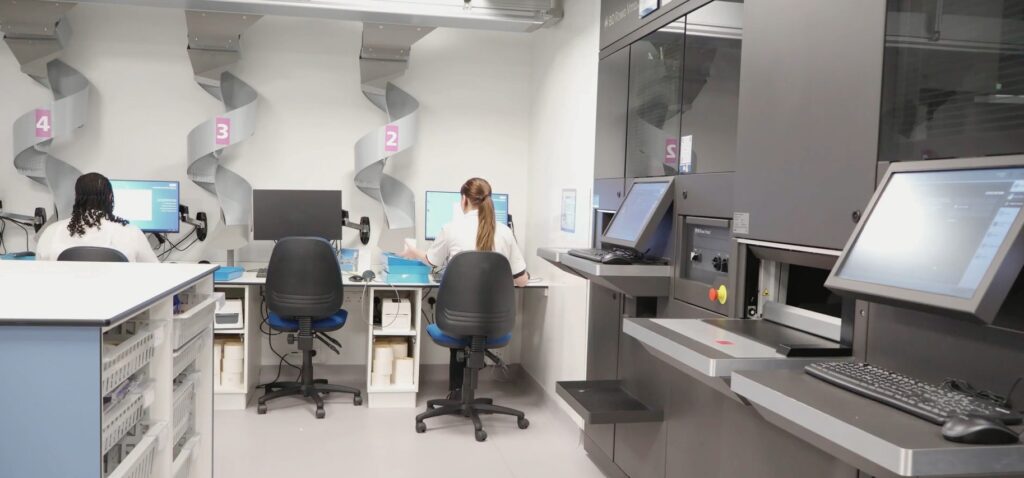
Across the UK, demand for faster, safer and more resilient medication dispensing has never been stronger. As pharmacies look to the efficiencies automation can bring to the pharmacy, workforce pressures, growing patient throughput and the shift toward a more clinically led service mean that traditional manual workflows are being stretched to their limits.
Avoiding Costly Mistakes in Clinical Spaces
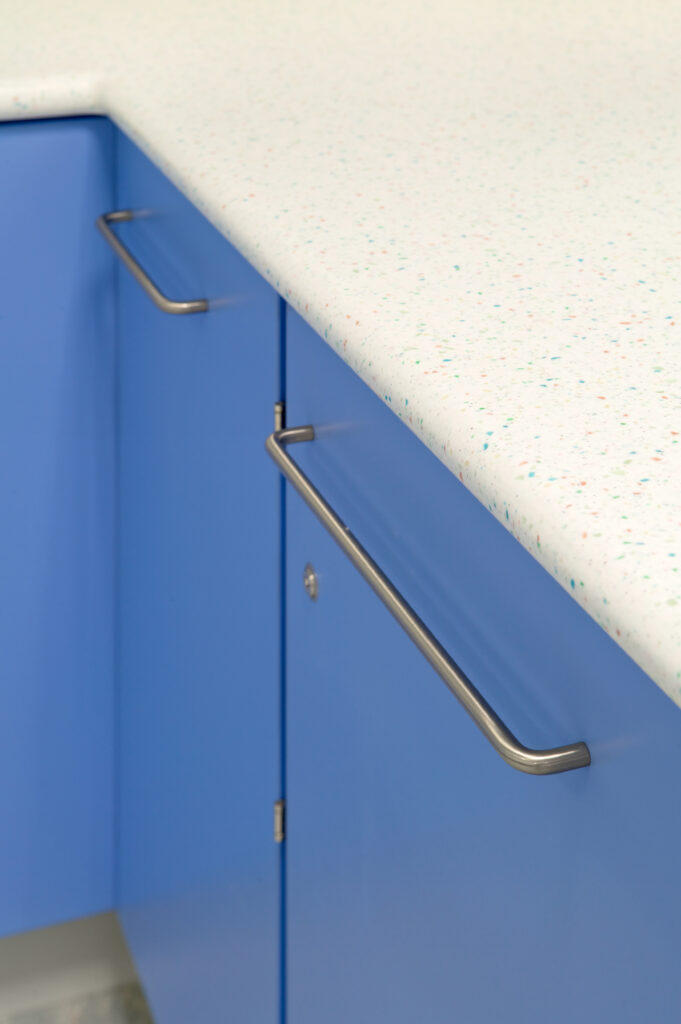
When it comes to modular storage in clinical spaces, not all solutions are equal. At first glance, many cupboards may look the same — but the reality is in the details. The choice of materials, the quality of hinges and locks, and even the shape of the units can have a major impact on efficiency, durability, and how well the available space is utilised.